Explore Exquisite Lab Grown Diamond Engagement Rings for an Ageless Symbol of Your Love
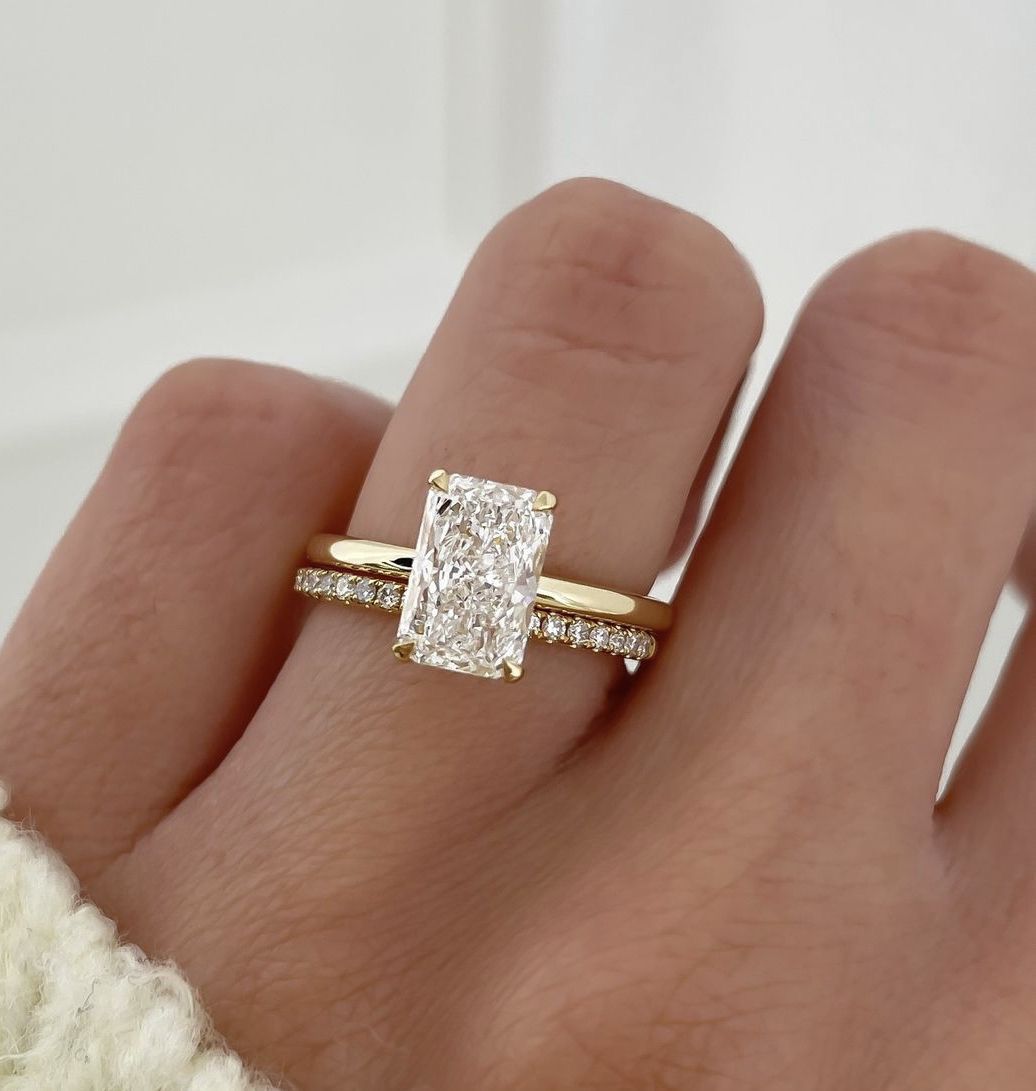
Lab-grown diamond engagement rings have arised as an engaging selection for couples looking for both elegance and moral integrity. These gems mirror the brilliance of all-natural diamonds, yet they include a smaller sized ecological footprint. With numerous styles and modification options readily available, each ring can tell an one-of-a-kind story. As couples explore these alternatives, concerns about their significance and worth occur, prompting a deeper appearance right into what makes these rings a significant icon of love.
The Increase of Lab-Grown Diamonds: A Modern Romance
As customers significantly look for lasting choices, the appeal of lab-grown diamonds has actually surged, changing the engagement ring market. These morally generated rocks interest ecologically aware couples that prefer a symbol of love without the honest worries connected with conventional mining. Lab-grown diamonds provide the same attraction, radiance, and quality as all-natural diamonds but at an extra easily accessible price point. This shift in customer preference is improving the narrative around engagement rings, promoting a modern romance that values sustainability and authenticity. Sellers are replying to this trend by increasing their offerings, making lab-grown choices a lot more prevalent in fashion jewelry shops. Therefore, couples are encouraged to pick stunning, significant rings that mirror their values and dedication to a much better future.
Understanding the Process: Just How Lab-Grown Diamonds Are Made
While several may presume that diamonds can just be formed deep within the Earth's mantle, lab-grown diamonds are produced with sophisticated technical procedures that reproduce these natural conditions. The two key approaches for generating these diamonds are High Stress High Temperature (HPHT) and Chemical Vapor Deposition (CVD) In the HPHT technique, carbon is subjected to extreme stress and temperature level, simulating the natural development process. On the other hand, the CVD technique includes developing a plasma environment where carbon atoms gradually deposit onto a substrate, developing diamond crystals with time. Both approaches cause diamonds that are chemically and literally similar to their extracted counterparts. Lab-grown diamonds offer a lasting alternative, providing the exact same radiance and beauty without the ecological impact associated with typical diamond mining.
The Moral Choice: Why Choose Lab-Grown Diamonds?
Lab-grown diamonds offer a compelling honest option for customers concerned regarding the ecological effect of conventional mining. These diamonds ensure a conflict-free status, guaranteeing that no human rights abuses are connected to their production. In addition, they use a cost-effective alternative without jeopardizing quality or appeal.
Environmental Impact Factors To Consider

Conflict-Free Guarantee
As consumers come to be a lot more familiar with ethical sourcing problems, the charm of lab-grown diamonds depends on their intrinsic conflict-free guarantee. Unlike extracted diamonds, which might be associated with funding problem and civils rights misuses in different regions, lab-grown diamonds are produced in controlled environments, removing any kind of problems associated with underhanded practices. This guarantee resonates particularly with socially mindful customers, who focus on moral factors to consider in their investing in decisions. Furthermore, lab-grown diamonds undergo rigorous accreditation procedures, making certain transparency and traceability. By choosing these diamonds, consumers sustain liable practices while taking pleasure in the same physical and aesthetic top qualities as natural diamonds. This moral selection shows a growing trend toward valuing integrity and responsibility in the high-end market.
Affordable Different
A compelling facet of lab-grown diamonds is their cost-effectiveness, making them an appealing alternative for budget-conscious customers. Commonly valued 20-40% less than natural diamonds, these lab-created rocks provide a substantial savings without compromising top quality or appeal. This financial benefit permits couples to spend in bigger or higher-quality diamonds than they may manage otherwise. In addition, the moral production process of lab-grown diamonds attract those who focus on sustainability and social obligation. By choosing these rocks, customers can appreciate tranquility of mind, knowing they are making a diligent selection. As the need for ethical choices grows, lab-grown diamonds proceed to become a attractive and viable option for engagement rings, blending cost with contemporary values.
Visual Allure: Comparing Lab-Grown and Mined Diamonds
The visual allure of lab-grown and extracted diamonds is commonly examined via aesthetic clearness, sparkle, and total craftsmanship. Elements such as color and reduce quality play significant roles in identifying their charm, while ethical and ecological factors to consider likewise affect consumer preferences. lab grown diamond engagement rings. A contrast of these elements exposes the nuanced distinctions between both options, forming the choices of potential buyers
Visual Clarity and Radiance
Visual quality and brilliance function as vital consider evaluating the visual charm of both lab-grown and extracted diamonds. Lab-grown diamonds frequently display remarkable clearness because of the regulated problems in which they are developed, getting rid of a lot of the additions and imperfections usually found in their all-natural equivalents. This improved clearness contributes to a stunning brilliance that mesmerizes the eye. Conversely, extracted diamonds can possess unique additions that some might like, as read more they mirror the rock's natural beginning and authenticity. Nevertheless, these inclusions can take away from overall brilliance. Inevitably, both kinds of diamonds can achieve remarkable visual quality, yet lab-grown diamonds frequently shine brighter, providing a contemporary choice without sacrificing the ageless sophistication that defines an interaction ring.
Color and Cut Top Quality
Color and reduced top quality considerably influence the general aesthetic charm of both lab-grown and mined diamonds. The Gemological Institute of America (GIA) classifies diamond shade on a scale from D (anemic) to Z (light yellow) Lab-grown diamonds can achieve the exact same color qualities as their mined equivalents, allowing consumers to select stones that match their preferences. Furthermore, the cut of a ruby substantially influences its brilliance and glimmer. Superb cut diamonds reflect light ideally, enhancing visual appeal. Both types of diamonds can find out here now exhibit superior cut quality, but lab-grown alternatives might provide extra accurate cuts due to sophisticated production techniques. Ultimately, the option between the 2 relies on individual preference and desired features in an involvement ring.
Ecological and moral Factors to consider
While both lab-grown and mined diamonds can be visually magnificent, ecological and moral considerations play a considerable duty in the decision-making process for numerous consumers. Lab-grown diamonds are developed in controlled atmospheres, making certain that no unethical mining techniques are included. This transparency interest those concerned about human legal rights infractions typically associated with mined diamonds. Additionally, lab-grown diamonds have a smaller sized environmental impact, as their production typically calls for less water and power than standard mining, which can ravage communities. In contrast, extracted diamonds usually originate from areas afflicted by conflict and environmental degradation. As understanding of these problems expands, many pairs are choosing lab-grown options, seeing them as a responsible selection that aligns with their worths while still celebrating their love.
Modification Options: Designing Your Perfect Engagement Ring
Just how can one produce a really distinct engagement ring that mirrors personal style and view? Modification choices for lab-grown diamond engagement rings enable pairs to customize their fashion jewelry to their specific tastes. From selecting the diamond shape-- such as round, princess, or oval-- to choosing the band material, options abound. Pairs can include numerous steels, including white gold, yellow gold, or platinum, to accomplish their desired aesthetic. Establishing designs, like solitaire or halo, additionally improve personalization. Additionally, inscribing inside the band can include a sentimental touch, including initials or purposeful dates. With these adjustable elements, each engagement ring ends up being an unique representation of love, merging style with individual relevance. This procedure ensures the ring is as one-of-a-kind as the partnership it signifies.
Taking care of Your Lab-Grown Diamond: Upkeep Tips
Maintaining the sparkle of a lab-grown diamond needs mindful attention and routine treatment. To maintain the diamond gleaming, it is vital to clean it regularly utilizing a soft brush and light soapy water. Avoid harsh chemicals and ultrasonic cleansers, which can damage the rock. Additionally, keeping the ring individually in a soft towel or a committed box helps prevent scrapes. lab grown diamond engagement rings. When participating in activities that may subject the ring to dust or prospective damages, removing the ring is suggested. Normal examinations at a jewelry expert can ensure that the setup continues to be safe and secure. By adhering to these basic upkeep tips, one can maintain the appeal and integrity of their lab-grown diamond engagement ring for years ahead
Actual Couples, Actual Stories: Lab-Grown Diamond Engagement Ring Experiences
What inspires pairs to pick lab-grown diamond engagement rings? Lots of couples are attracted to the ethical and ecological benefits of lab-grown diamonds, which are developed without the adverse effects connected with conventional diamond mining. Actual stories expose that pairs value the clarity and brilliance of these stones, usually choosing bigger or even more detailed styles than they may manage with all-natural diamonds. For example, Jenna and Mark shared their exhilaration regarding finding a spectacular lab-grown ring that straightened with their values, enabling them to spend extra in their wedding experience. Sarah and Tom revealed joy in picking an unique design that showed their individualities, highlighting the convenience and price of lab-grown diamonds. These experiences stress that love and objective shape every selection.
Frequently Asked Inquiries
Are Lab-Grown Diamonds A Lot More Budget Friendly Than Mined Diamonds?
Lab-grown diamonds are normally extra inexpensive than mined diamonds, commonly costing 20-40% less. This price difference emerges from lower manufacturing expenses and the lack of mining expenses, making them an appealing option for budget-conscious consumers.

How Can I Inform if a Ruby Is Lab-Grown?
To establish if a diamond is check lab-grown, one can look for accreditation from credible gemological labs, seek certain engravings on the stone, or utilize innovative screening techniques that separate all-natural from synthetic diamonds.
Do Lab-Grown Diamonds Hold Their Value Gradually?
Lab-grown diamonds generally do not hold their worth along with all-natural diamonds. Their resale market has a tendency to be much less robust, causing reduced lasting recognition and possibly considerable depreciation compared to mined counterparts.
What Are the Guarantee Options for Lab-Grown Diamond Bands?
Guarantee alternatives for lab-grown diamond rings normally consist of coverage for producing defects and might offer prolonged service strategies for upkeep. Each seller provides different terms, so it is essential to review specific plans before purchase.
Can I Market a Lab-Grown Diamond Engagement Ring?
Yes, a lab-grown diamond engagement ring can be marketed. Nonetheless, resale worths may differ significantly compared to natural diamonds, commonly depending upon market demand, ring condition, and the brand's credibility.
Lab-grown diamonds offer the exact same allure, luster, and high quality as all-natural diamonds but at a much more easily accessible cost factor. Unlike mined diamonds, which might be associated with funding problem and human civil liberties misuses in various regions, lab-grown diamonds are developed in regulated atmospheres, removing any problems associated to dishonest practices. Numerous pairs are drawn to the environmental and moral advantages of lab-grown diamonds, which are produced without the negative influences connected with conventional diamond mining. Lab-grown diamonds are generally more budget-friendly than extracted diamonds, often setting you back 20-40% much less. Lab-grown diamonds generally do not hold their value as well as natural diamonds.